Food Sensitivity Journal Notebook
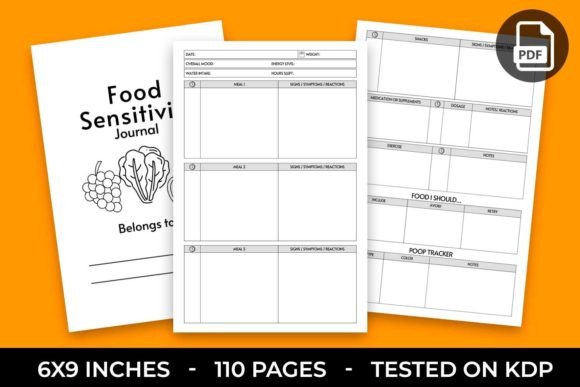
The Food Sensitivity Journal Notebook is a practical tool designed to help individuals track and understand how their bodies react to different foods. It serves as a personal record for identifying patterns, symptoms, and triggers that may be linked to specific dietary choices. Whether you're managing a chronic condition or simply curious about your body's responses, this journal can be an essential part of your wellness journey.
Why Different People Care About Food Sensitivity
For some, food sensitivity is a daily challenge that affects their health and quality of life. For others, it's a way to explore how diet influences energy levels, mood, and overall well-being. The value of a food sensitivity journal varies depending on individual needs and goals.
Beginners might use the journal to start understanding their body's signals, while experienced users could refine their tracking methods to achieve deeper insights. Creators and educators might find it useful for developing content around nutrition and health, while business owners could use it to inform product development or customer engagement strategies.
How Different Audiences Might Use the Journal
Entrepreneurs and self-publishers might appreciate a structured format that helps them stay organized and focused on their projects. A well-designed journal can serve as both a personal tool and a resource for others. For example, a blogger covering health topics might use the journal to gather data for articles or social media posts.
Professionals in the healthcare field could use the journal as a reference for patients, offering a standardized approach to tracking symptoms. Educators might incorporate it into lesson plans to teach students about nutrition and self-awareness. Hobbyists and consumers interested in wellness could use it to experiment with different diets and observe how their bodies respond.
Key Priorities When Choosing a Food Sensitivity Journal
When selecting a food sensitivity journal, several factors come into play. Ease of use is important for anyone who wants to maintain consistent records without frustration. Cost is another consideration, especially for those on a budget or looking for value for money.
Quality and reliability ensure that the journal remains a useful tool over time. Flexibility allows users to adapt the journal to their unique needs, whether they prefer a digital format or a physical notebook. Presentation matters for those who want to keep their records organized and visually appealing.
Practical Examples for Different Users
A busy professional might look for a compact, easy-to-carry journal that fits into their daily routine. They could use it to log meals and symptoms during lunch breaks or after work. A student or educator might prefer a more detailed format that includes space for notes, research, and reflections.
An entrepreneur launching a health-related product could use the journal to gather feedback from early users, helping to refine their offerings. A hobbyist exploring alternative diets might use it to document changes in energy levels, digestion, or mental clarity over time.
Understanding Your Needs and Goals
Before choosing a food sensitivity journal, it's important to consider your specific goals. Are you looking to identify allergens, improve digestion, or boost energy? Each objective might require a different approach to tracking and analysis.
If you're new to the concept of food sensitivity, starting with a simple template can help you build confidence and consistency. For those with more experience, a customizable journal might offer greater depth and flexibility. The key is to find a tool that aligns with your lifestyle and priorities.
Long-Term Usefulness and Learning Value
A good food sensitivity journal should not only help you track immediate reactions but also support long-term learning. Over time, patterns may emerge that provide valuable insights into your health. This knowledge can empower you to make informed decisions about your diet and overall well-being.
For creators and educators, the journal can serve as a foundation for developing educational materials, workshops, or online courses. Business owners might use it to create content that resonates with their audience, building trust and credibility in the process.
Conclusion
The Food Sensitivity Journal Notebook offers a versatile and practical solution for individuals seeking to better understand their relationship with food. Whether you're just starting out or looking to refine your approach, this tool can help you stay organized, informed, and empowered. By considering your unique needs and goals, you can determine if this journal is the right fit for your journey.