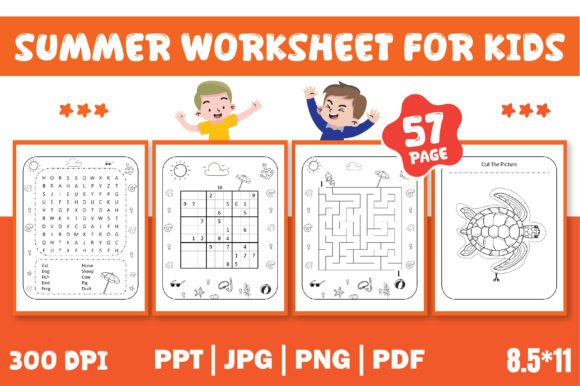
Summer Worksheet for Kids: A Practical Tool for Learning and Growth
Summer is a time when children have the opportunity to explore, learn, and grow outside the traditional classroom setting. For parents, educators, and caregivers, finding effective ways to keep kids engaged during the summer months can be a challenge. The Summer Worksheet for Kids offers a structured yet flexible solution that supports learning, creativity, and skill development. Whether used as part of a summer learning plan or as a supplement to other educational activities, this resource can play a valuable role in a broader process of personal and academic growth.
Understanding the Summer Worksheet for Kids
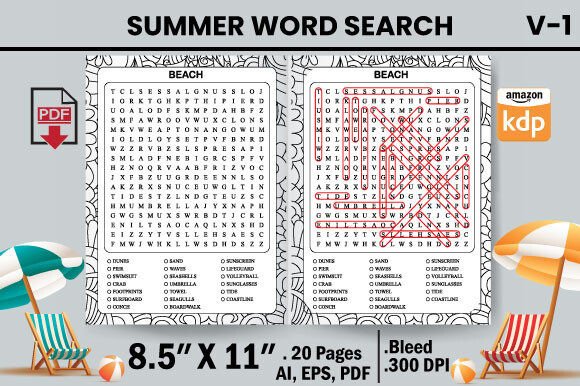
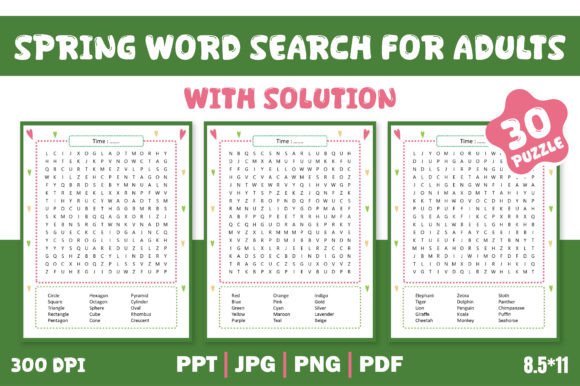
The Summer Worksheet for Kids is a comprehensive set of printable materials designed to reinforce key academic skills while keeping children entertained. It typically includes a variety of exercises, puzzles, and activities that cover subjects such as math, reading, writing, and science. The worksheets are often organized into themed sections, making it easy to tailor the content to a child’s interests or specific learning goals.
This tool fits naturally into a larger workflow that involves planning, execution, and evaluation. For example, it can be integrated into a summer learning schedule, used as a resource for homeschooling, or incorporated into after-school programs. Its versatility makes it suitable for a wide range of settings, from individual use at home to group activities in community centers or libraries.
Using the Summer Worksheet for Kids in Different Phases
The Summer Worksheet for Kids can be utilized before, during, or after various projects, tasks, or learning activities. Before a summer break, it can serve as a review tool to reinforce concepts learned during the school year. During the summer, it provides a consistent structure for daily or weekly learning sessions. After the break, it can help students transition back into the school routine by refreshing their knowledge and skills.
For instance, a parent might start the summer by using the worksheet to identify areas where their child needs extra practice. Throughout the summer, they can assign specific pages each week, tracking progress and adjusting the difficulty level as needed. At the end of the season, the worksheet can be revisited to assess improvement and prepare for the next school year.
Integration with Other Tools and Resources
The Summer Worksheet for Kids works well alongside other educational tools and resources. It can be paired with online learning platforms, books, or hands-on activities to create a more dynamic and engaging learning experience. For example, a child who completes a math worksheet might then use an online game to practice the same concepts in a different format. Similarly, a reading comprehension worksheet could be followed by a discussion or a creative writing exercise.
Additionally, the worksheet can be used in conjunction with project-based learning approaches. A child interested in science might complete a worksheet on ecosystems, then conduct a simple experiment or visit a local nature reserve to apply what they’ve learned. This integration helps bridge the gap between theoretical knowledge and real-world application.
Practical Implementation Tips
To get the most out of the Summer Worksheet for Kids, it’s important to approach its use with intention and flexibility. Here are some practical tips for implementation:
- Create a routine: Set aside dedicated time each day or week for worksheet activities. Consistency helps build habits and ensures regular engagement.
- Personalize the content: Choose worksheets that align with your child’s interests and learning style. This increases motivation and makes the activity more enjoyable.
- Track progress: Keep a record of completed worksheets and note any improvements or challenges. This can help identify areas that need more attention and celebrate achievements.
- Encourage collaboration: Use the worksheets as a starting point for family or group activities. Discussing answers or working together on tasks can enhance learning and foster a sense of teamwork.
- Combine with technology: Use digital tools to supplement the worksheets. For example, a child might watch a video related to a worksheet topic or use an app to practice math facts.
Workflow Examples and Observations
Consider the following workflow example for a parent using the Summer Worksheet for Kids:
- Preparation: Review the worksheets to determine which ones are most appropriate for the child’s age and skill level. Print or download the files as needed.
- Execution: Assign a few pages each week, allowing time for the child to complete them independently. Offer support and guidance when necessary.
- Review: Go over the completed worksheets together, discussing any questions or difficulties. Provide positive feedback and encourage reflection on what was learned.
- Adjustment: Based on the child’s performance and interest, modify the selection of worksheets or adjust the pace of work.
Observations from users suggest that the Summer Worksheet for Kids is most effective when used as part of a balanced approach to learning. It works best when combined with other activities that promote curiosity, creativity, and critical thinking. Parents and educators who take the time to understand the child’s needs and preferences tend to see the greatest results.
Factors to Consider for Long-Term Use
When considering the long-term use of the Summer Worksheet for Kids, several factors should be taken into account:
- Preparation: Ensure that the worksheets are accessible and organized in a way that makes them easy to use. This might involve creating a dedicated folder or storage system.
- Compatibility: Check that the worksheets are compatible with the devices and software being used. For example, if printing is required, make sure the file format is suitable for high-quality output.
- Usability: Choose worksheets that are visually appealing and age-appropriate. Clear instructions and engaging layouts can significantly impact a child’s willingness to participate.
- Organization: Keep track of completed worksheets and any notes about the child’s progress. This helps maintain a sense of continuity and allows for easy reference in the future.
- Efficiency: Use the worksheets in a way that maximizes their value without overwhelming the child. Balance structured learning with free time and other activities.
By taking these factors into consideration, parents and educators can ensure that the Summer Worksheet for Kids remains a useful and effective tool throughout the summer and beyond.