Tic-Tac-Logic: A Strategic Twist on Classic Puzzles
Tic-Tac-Logic is a single-player puzzle game that blends the simplicity of tic-tac-toe with logical reasoning and pattern recognition. Unlike traditional tic-tac-toe, which is a turn-based game between two players, Tic-Tac-Logic challenges individuals to fill a grid with Xs and Os following specific constraints. This makes it an engaging mental exercise for those who enjoy logic puzzles and want to sharpen their problem-solving skills.
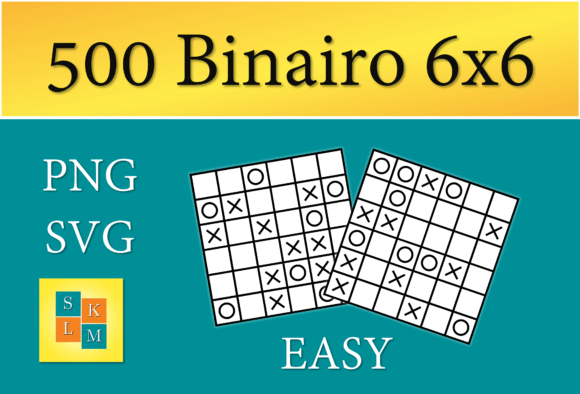
The game’s appeal lies in its balance of simplicity and complexity. Each puzzle presents a grid—typically ranging from 5x5 to 10x10—with some Xs and Os already placed. The goal is to complete the grid by adding the remaining symbols while adhering to strict rules. This structure allows for a variety of difficulty levels, making it accessible to both casual players and puzzle enthusiasts.
How Tic-Tac-Logic Works
The core rule of Tic-Tac-Logic is straightforward: no more than two consecutive Xs or Os can appear in any row or column. This restriction ensures that the puzzle remains challenging and requires careful planning. Players must consider not only the immediate placement of symbols but also how each choice affects the rest of the grid.
In addition to the consecutive rule, many versions of Tic-Tac-Logic include a second constraint: each row and column must contain an equal number of Xs and Os. For example, in a 6x6 grid, every row and column must have exactly three Xs and three Os. This adds another layer of strategy, as players must ensure both balance and sequence compliance.
Some variations may introduce additional rules, such as requiring that no two rows or columns are identical. These variations increase the complexity and provide more options for experienced players looking for a greater challenge.
Comparing Tic-Tac-Logic to Similar Puzzles
Tic-Tac-Logic shares similarities with other logic-based puzzles like Sudoku and Nonogram, but it differs in key ways. While Sudoku focuses on placing numbers in a grid without repetition, Tic-Tac-Logic emphasizes pattern control and spatial reasoning. Nonograms, on the other hand, involve deducing hidden images based on numerical clues, which is a different type of logical deduction.
Another related puzzle is the classic tic-tac-toe itself, but Tic-Tac-Logic transforms this simple game into a more complex and strategic activity. Instead of competing against an opponent, players must solve a self-contained puzzle that requires foresight and precision. This shift from competitive to solitary play makes Tic-Tac-Logic ideal for those who prefer solo challenges over multiplayer games.
For users familiar with logic grid puzzles, Tic-Tac-Logic offers a unique twist. These puzzles often require organizing information across multiple categories, whereas Tic-Tac-Logic focuses on binary choices (X or O) within a constrained grid. This difference makes it a good option for those who enjoy quick, focused mental exercises without the need for extensive data management.
Strengths and Limitations of Tic-Tac-Logic
One of the main strengths of Tic-Tac-Logic is its accessibility. The rules are easy to understand, and the gameplay is intuitive, making it a great choice for beginners. At the same time, the puzzle’s depth ensures that even advanced players will find it challenging and rewarding. Its compact format also makes it suitable for short sessions, allowing players to engage with it during breaks or downtime.
However, Tic-Tac-Logic may not appeal to everyone. Those who prefer fast-paced or action-oriented games might find it too slow or methodical. Additionally, the repetitive nature of filling grids with Xs and Os could become tedious for some players, especially if they encounter a particularly difficult puzzle that requires extensive trial and error.
Another limitation is the lack of visual or thematic elements. Unlike many modern puzzle games that feature colorful graphics or storylines, Tic-Tac-Logic relies solely on its logical structure. This minimalist approach is intentional, but it may not resonate with players who seek more immersive experiences.
When Tic-Tac-Logic Is the Right Choice
Tic-Tac-Logic is ideal for individuals who enjoy logical reasoning and pattern recognition. It can be a valuable tool for improving concentration, attention to detail, and problem-solving abilities. Teachers and educators sometimes use it as a fun way to teach students about sequences, constraints, and deductive thinking.
It is also a good option for people looking for a low-stimulation activity. Unlike video games or social media, Tic-Tac-Logic requires minimal external input and can be played without distractions. This makes it a popular choice for mindfulness practices or as a way to unwind after a long day.
For those exploring alternative puzzle formats, Tic-Tac-Logic provides a refreshing change from more complex or time-consuming games. It is particularly well-suited for commuters, travelers, or anyone with limited access to digital devices, as it can be played offline and requires no special equipment.
Alternatives to Tic-Tac-Logic
If Tic-Tac-Logic does not meet your preferences, there are several alternatives worth considering. Logic grid puzzles, such as those found in magazines or online platforms, offer similar cognitive benefits but with more varied themes and structures. These puzzles often involve solving riddles or cross-referencing clues, which can be more engaging for some players.
For those who enjoy visual puzzles, Nonograms and Picross provide a different kind of challenge. These games involve revealing hidden images by filling in cells based on numerical hints, which can be more visually satisfying than the abstract nature of Tic-Tac-Logic.
If you prefer interactive or dynamic puzzles, mobile apps like Sudoku, KenKen, or Threes! may be more appealing. These games often incorporate elements of chance, timing, or strategy, offering a broader range of gameplay experiences.
Conclusion: Evaluating Tic-Tac-Logic for Your Needs
Tic-Tac-Logic is a versatile and intellectually stimulating puzzle that offers a unique blend of simplicity and challenge. Its focus on logical reasoning and pattern control makes it a valuable resource for mental exercise, while its compact format ensures it is easy to integrate into daily routines.
Whether you are a seasoned puzzle solver or a casual player, Tic-Tac-Logic provides a rewarding experience that encourages critical thinking and careful planning. However, it is important to consider your personal preferences and goals when deciding whether it is the right fit for you. By understanding its strengths, limitations, and alternatives, you can make a more informed choice about how to engage with this intriguing puzzle.